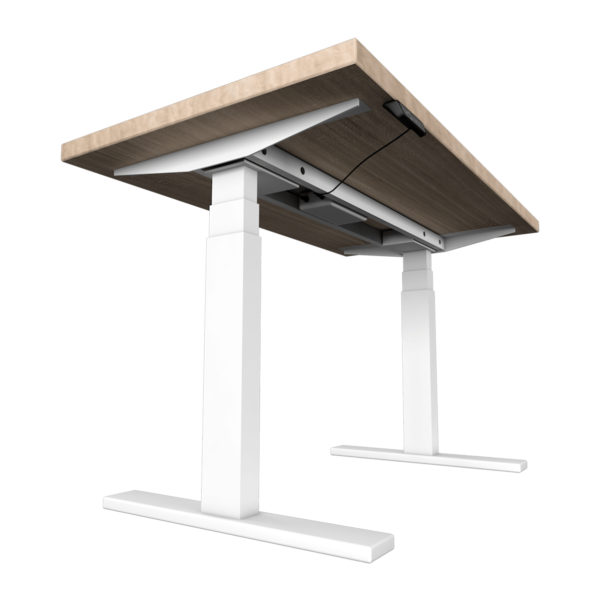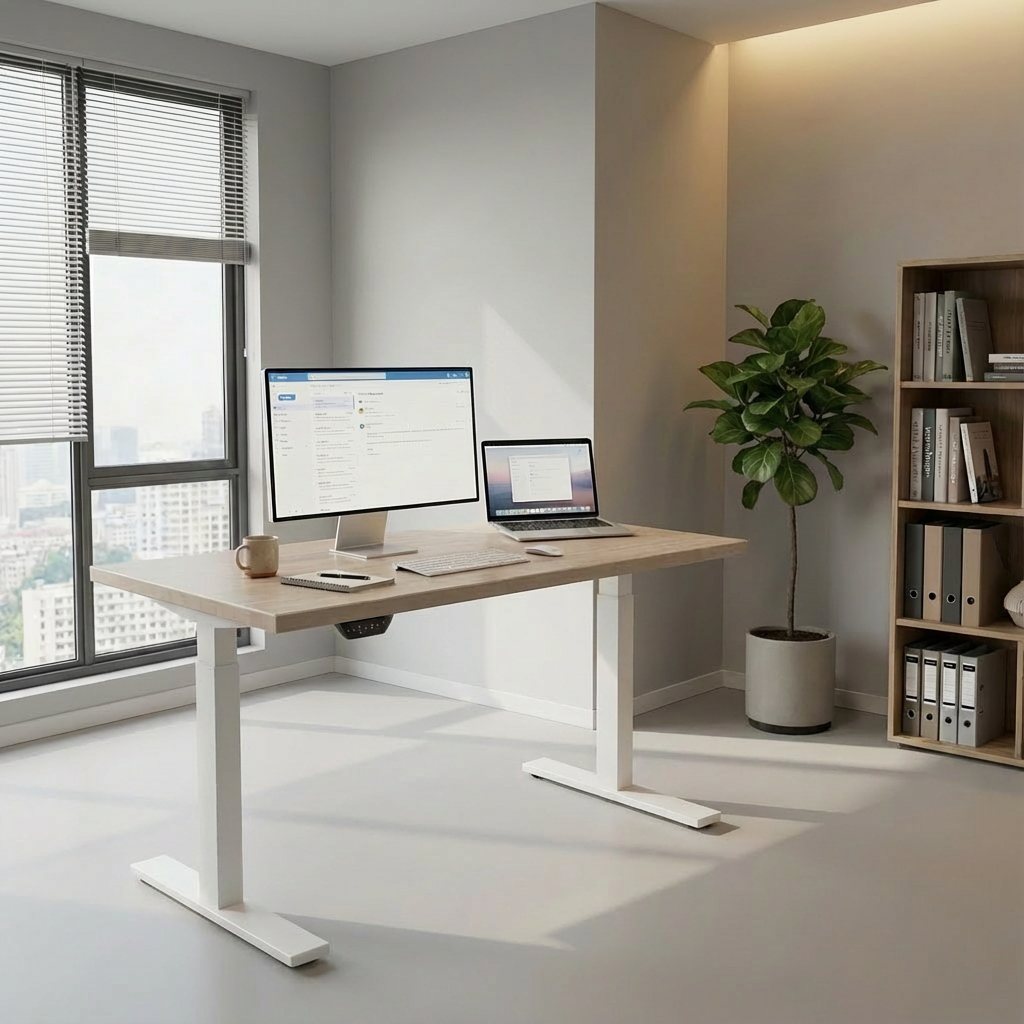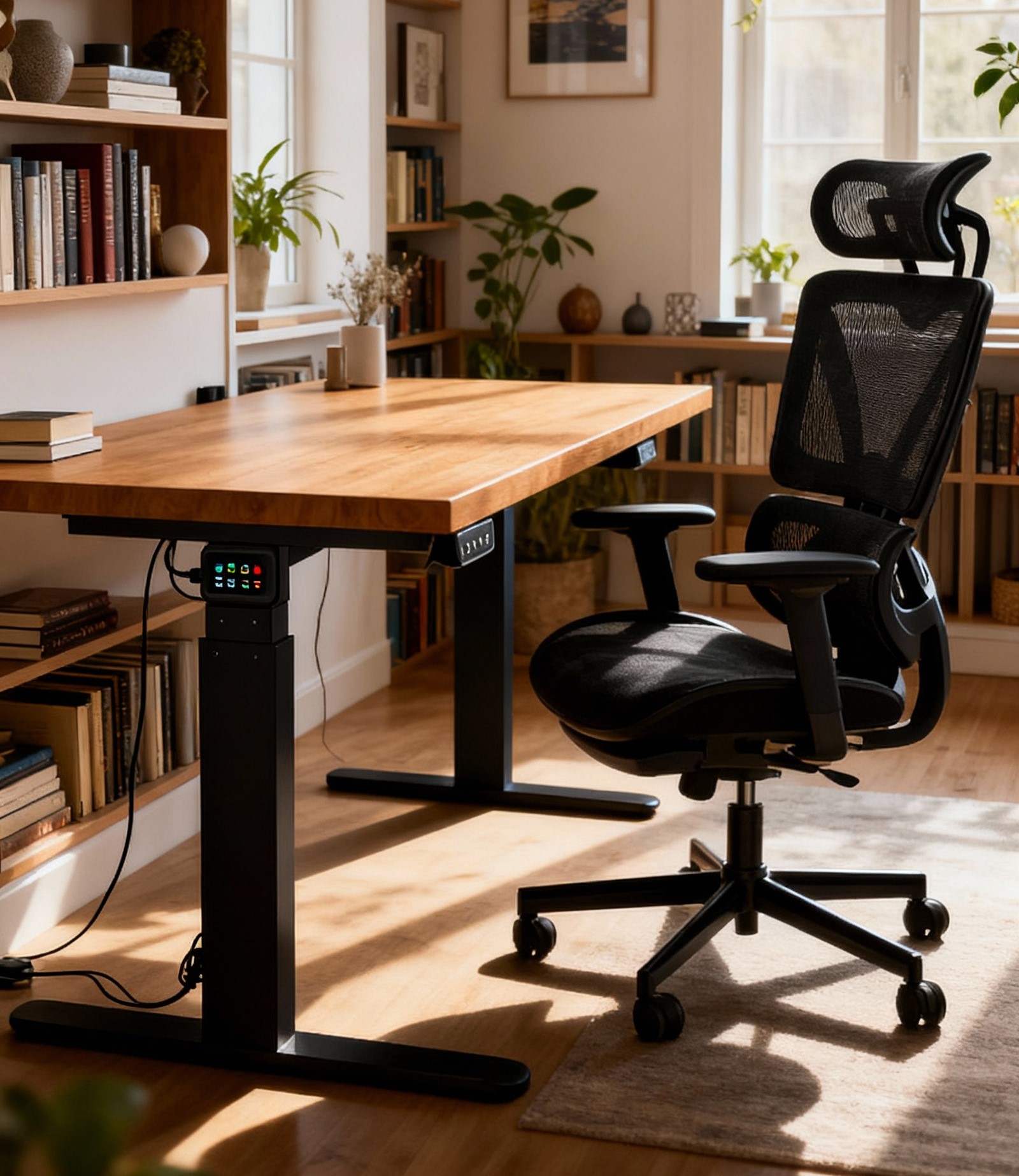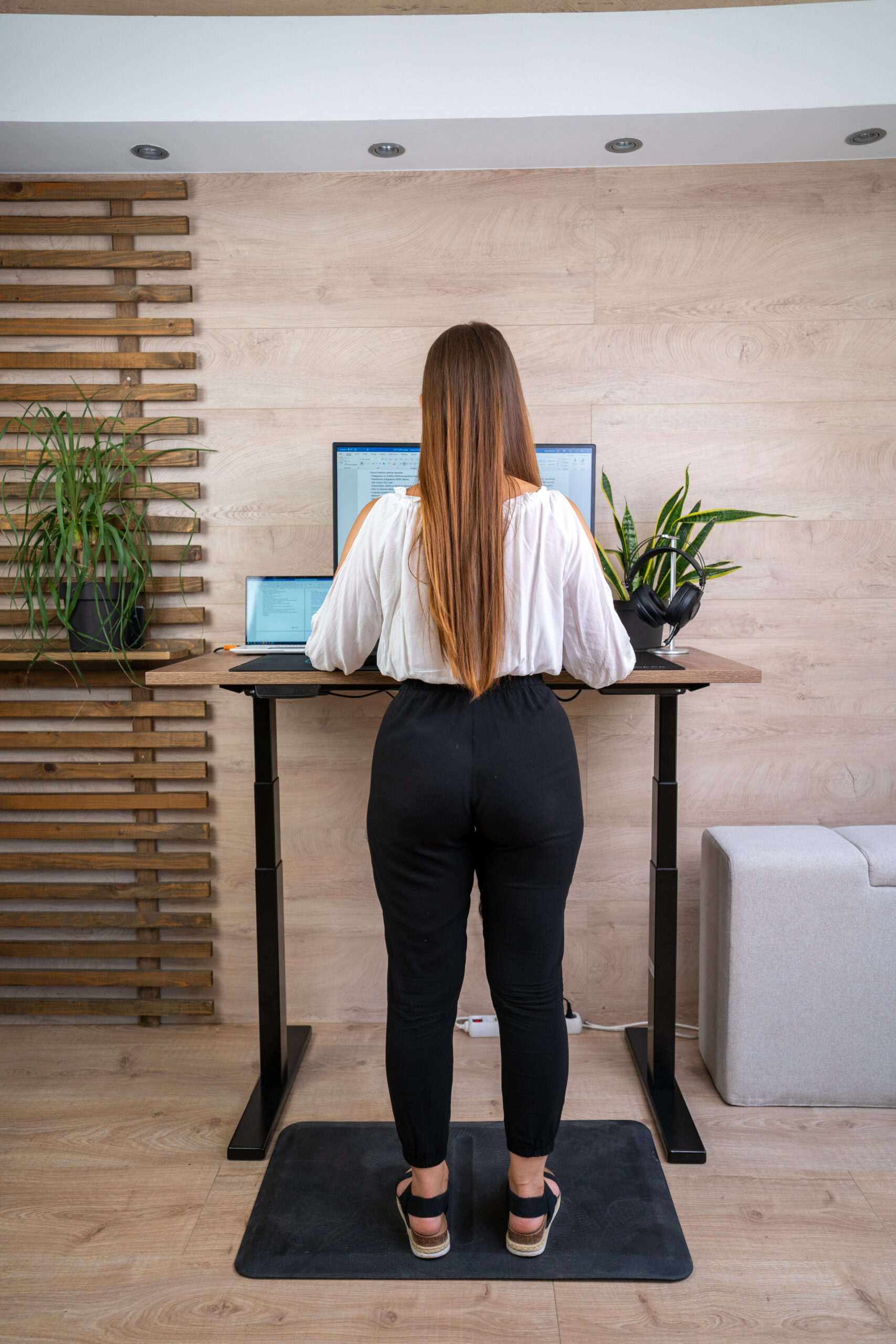
Height-adjustable desks in schools are becoming essential tools to support better concentration, posture, and active learning for students.
Height-adjustable desks are no longer just a trend in offices – they are increasingly being introduced in schools as well, both primary and secondary. The goal? To support better concentration, posture, and active learning, especially for students who need more movement or have special learning needs.
Why are height-adjustable desks suitable for schools?
Children and teenagers are still developing, and their posture and mobility are constantly changing. Traditional chairs and desks often lack adjustability, which can lead to fatigue, restless sitting, and reduced attention.
Height-adjustable desks allow:
• switching between sitting and standing,
• height adjustment according to the student’s body height,
• greater autonomy in choosing the optimal working position,
• support for proper posture and reduced strain on the back.
Students with ADHD and autism spectrum conditions
Children with ADHD often find it difficult to sit still for long periods, which affects attention and learning quality. Similarly, students with ASD (autism spectrum disorders) may struggle with energy regulation and restless sitting.
Research shows:
• The use of standing or height-adjustable desks among children with ADHD improves classroom engagement and reduces impulsive behavior (source).
• Children with neurodivergent needs are less restless and more focused on tasks after the introduction of standing desks (source).
• A systematic review of studies on the use of active desks in schools confirmed improved energy levels, concentration, and posture in children aged 5 to 17 (source).
Students who use height-adjustable desks expend up to 15% more energy during class, which can contribute to better focus and less restless behavior (source).
Practical tips for schools
• Height adjustment: The desk should be easy to adjust so students can use it independently.
• Allowed flexibility: Students should decide for themselves whether they spend more time standing or sitting.
• Usage guidelines: Explain when it is recommended to stand and when to sit – for example, standing during more demanding tasks.
• Monitoring effects: Observe changes in restless behavior, engagement, and concentration.
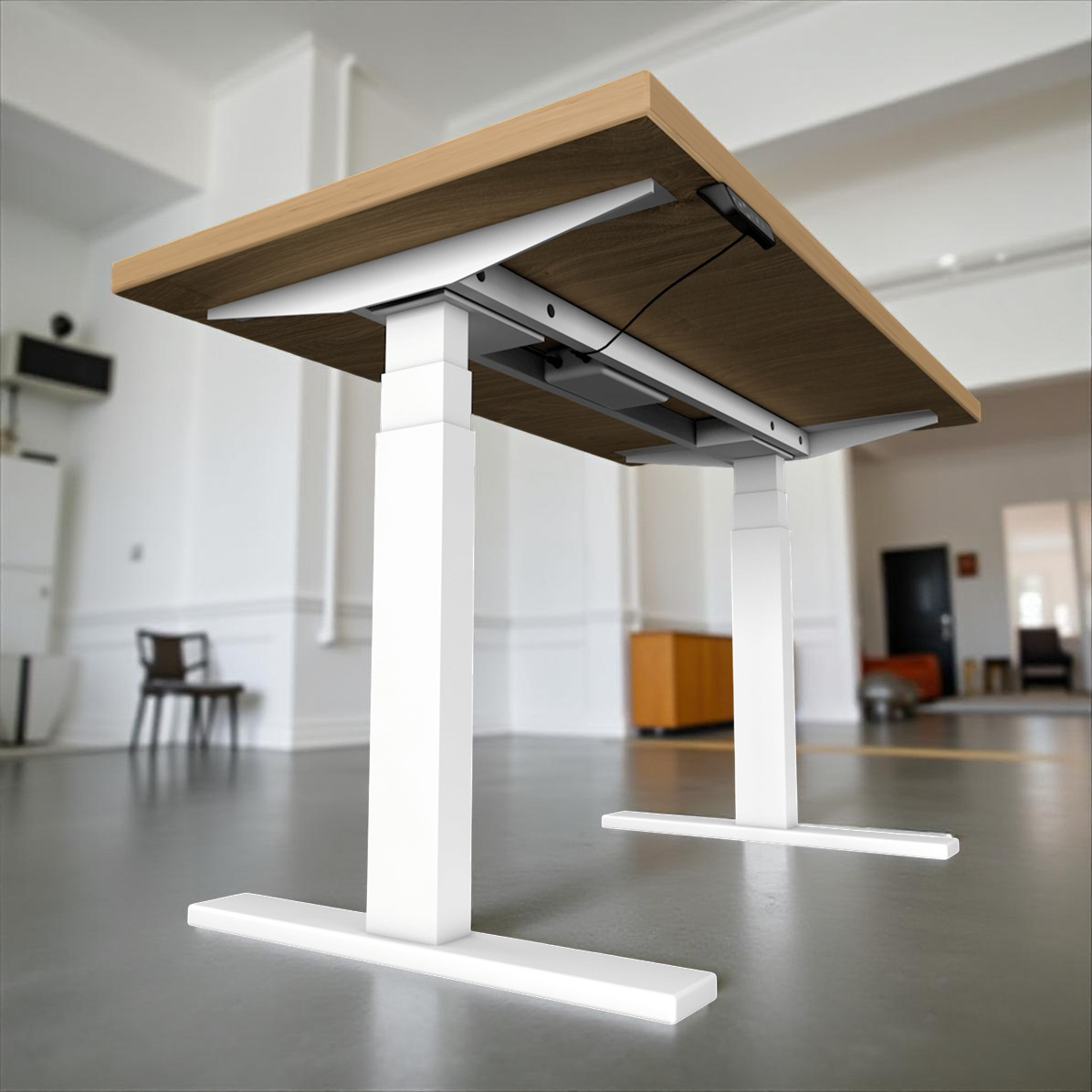
Height-adjustable desks in schools are becoming essential tools to support better concentration, posture, and active learning for students. Height-adjustable desks in schools are not just a trend – they are a modern and practical tool for a healthier and more effective learning environment that benefits all students, especially those with ADHD or ASD. Adjustability, stability, and ergonomics are the key features that distinguish high-quality height-adjustable desks from basic ones.
For schools and students with diverse needs, it is important to invest in a high-quality solution that will improve health, concentration, and productivity in the long term. If students spend most of their day at a desk, a height-adjustable desk is not just a piece of furniture – it is their work foundation.
Check out selected UVI height-adjustable desks at the following link.