10/6/2026
Prolonged Sitting at Work: Impact on the Body and Well-Being
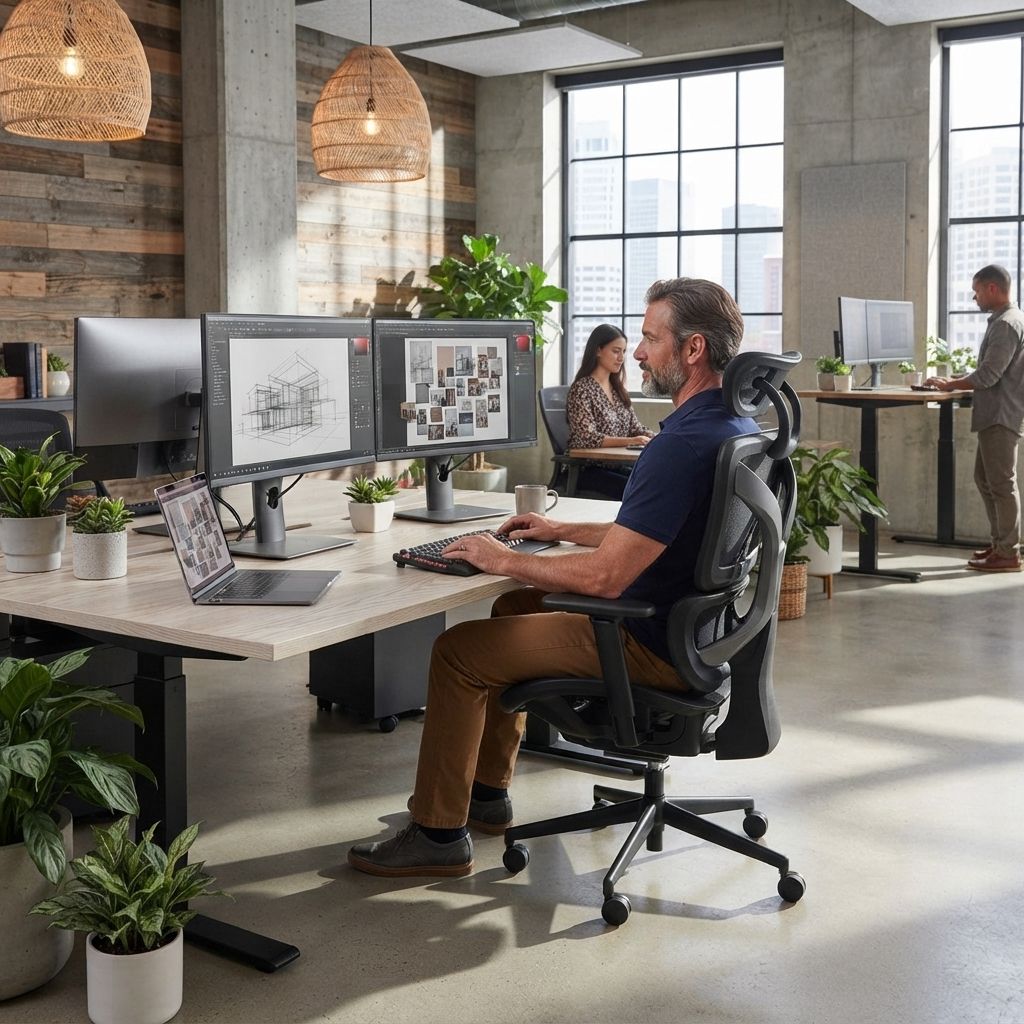
The average employee spends between 8 and 10 hours sitting each day, whether at work in front of a computer, working from home, playing games, or relaxing in front of the TV. Although sitting may seem harmless, our bodies are not designed to spend most of the day in the same position.
Research shows that prolonged sitting without regular breaks can affect our muscles, posture, and overall well-being. That is why it is important to get up regularly, change positions throughout the day, and give your body enough opportunities to move.
What are the consequences of prolonged sitting?
Among other things, prolonged sitting can contribute to:
lower back pain, as the spine remains in the same position for extended periods
tension in the neck and shoulders, especially when working in front of a screen
fatigue and reduced concentration due to a lack of movement
muscle stiffness, particularly around the hips, legs, and lower back

How often should you take a break from sitting?
It is recommended to regularly interrupt periods of sitting throughout the workday:
take a short break every 30 to 60 minutes
take a few steps around the room or go for a short walk
occasionally change your position to relieve pressure on the spine
do simple stretching exercises to relax tense muscles
Even a few minutes of movement can help reduce stiffness and improve your well-being while working.
What should a properly set up workspace look like?
Chair
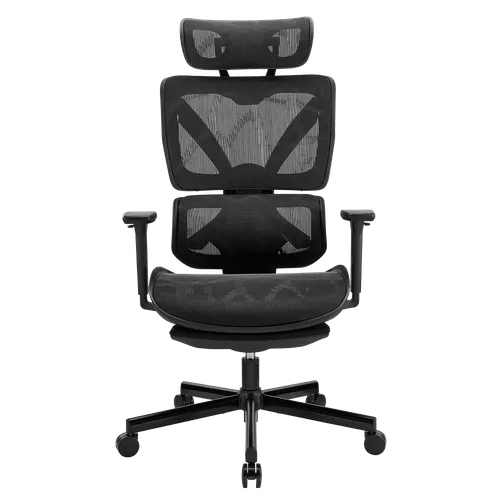
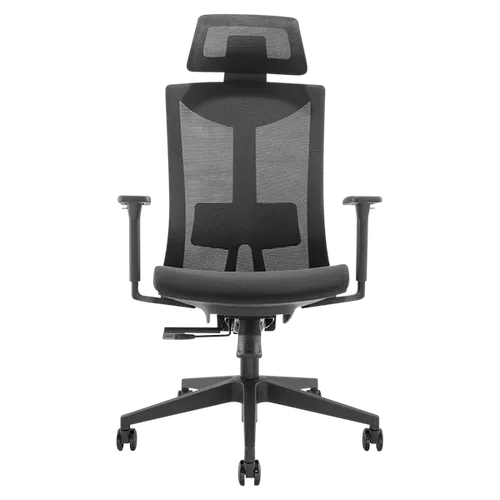
adjustable seat height
adequate lumbar support
adjustable backrest
feet should be firmly supported on the floor or a footrest
Desk
enough space for a comfortable arm position
suitable height for the user
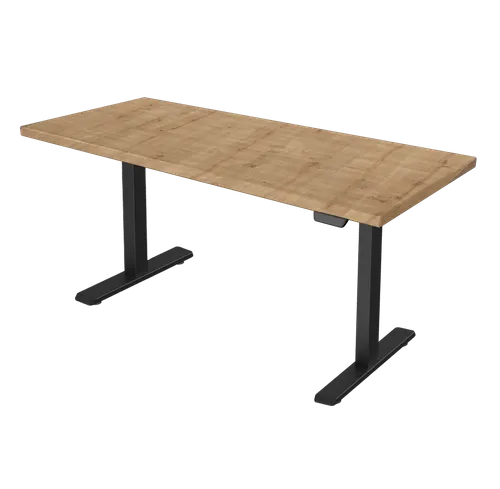
height adjustment capability
A height-adjustable desk allows you to alternate between sitting and standing, helping to reduce prolonged strain on the body.
Monitor
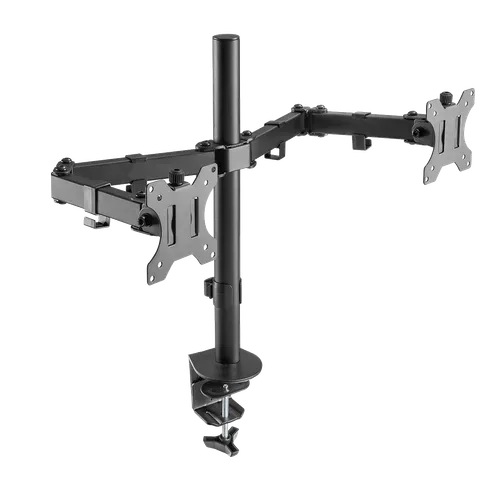
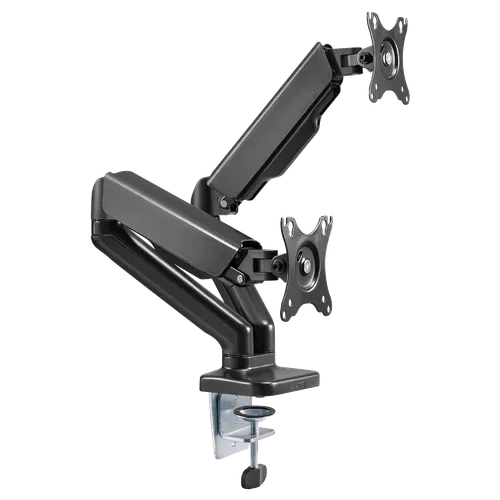
A common mistake is positioning the monitor too low, causing the user to constantly look down. This can place additional strain on the neck muscles and cause discomfort in the neck and shoulders.
For proper monitor positioning:
the top edge of the screen should be approximately at eye level
the screen should be positioned at a comfortable distance from your face
avoid constantly leaning forward toward the screen
adjust the screen brightness and reduce glare to minimize additional eye strain
Why aren't a sofa or bed suitable for prolonged work?
A sofa or bed is great for relaxing, but neither is designed for several hours of work. In these positions, the body often adapts to poor posture, the shoulders move forward, and the neck is placed under additional strain due to frequently looking down. They can be convenient for short tasks, but they are not the best long-term solution for everyday work.
Movement is just as important as good posture
In addition to taking regular breaks during the workday, physical activity outside of working hours is also important. Walking, running, cycling, or other forms of exercise can help counteract the effects of prolonged sitting.
The goal of 10,000 steps a day is often mentioned, but what matters even more is making movement a regular part of your daily routine.
An ergonomically designed workspace is not just about greater comfort. It also provides better conditions for working, studying, or gaming. With a quality chair, an adjustable desk, and properly positioned equipment, you can create an environment that puts less strain on your body even after several hours of sitting.